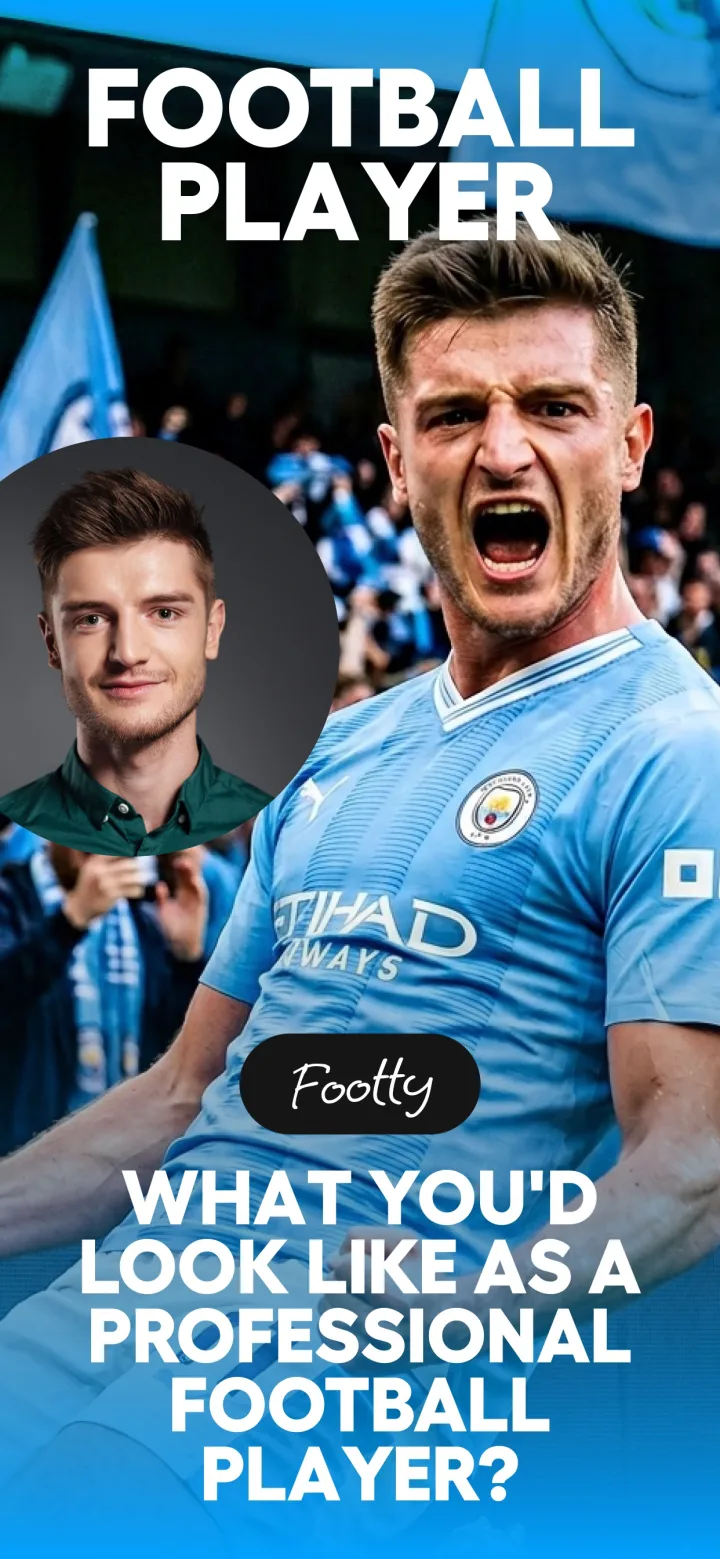
Sharing an AI-transformed photo of yourself is generally low-risk, but a few practical considerations are worth knowing before posting.
It's your own likeness, by your own choice
Unlike AI content generated of someone else without consent (a real ethical concern in other contexts), transforming your own uploaded selfie and choosing to share it is a straightforward, consensual use case with no third-party likeness issue.
Being clear it's a filter, not a claim
Most platforms and audiences readily understand a stylized club-kit transformation as a fun filter rather than a real photo — context (captions, the app's own visible branding in some shares) usually makes this obvious without extra effort.
What to actually check
Reading an app's privacy policy for what happens to uploaded photos (is the source photo stored, for how long, used for anything beyond generating your result) is the more relevant safety question than the sharing itself.
Should AI-transformed photos be labeled as AI-generated when shared?
Increasingly, yes — as AI content becomes more common, many platforms and communities appreciate transparency; a lighthearted transformation photo rarely needs a formal disclaimer, but being upfront if directly asked is good practice.